

The ligature looks unremarkable, yet it has a noticeable effect on how your instrument responds and sounds. It holds the reed on the mouthpiece and helps determine how freely the reed can vibrate. Switching from the standard metal ligature to a Rovner leather band or a premium model is often noticeable from the very first notes.
This guide sorts the three main types, shows who each suits and what matters for the fit on the mouthpiece. The key point first: there is no best ligature, only one that fits your playing and your setup.
Firm, direct tone
Ideal for: Players who want response and projection and value the factory standard
See all Saxophon - Zubehör →
Warmer, rounder tone
Ideal for: Classical players, beginners and anyone wanting a flexible, quieter response
See all Blasinstrumente →01What the ligature actually does
The ligature fixes the reed onto the flat side of the mouthpiece. Its job sounds simple, but how firmly and at which points it clamps the reed affects the vibration. A reed that can vibrate freely responds more easily and sounds more open. A reed held broadly and softly sounds rounder and more muted.
The effect is subtle but noticeable. It replaces neither a good mouthpiece nor suitable reeds, but it is the cheapest way to give an existing setup a different tone colour.
02Metal ligature: the direct factory standard
The classic metal ligature with two tightening screws ships with most saxophones and clarinets from the factory. It holds the reed firmly and precisely, gives a direct, projecting tone and often responds a little more easily. For powerful playing, for stage and orchestra it is a proven base.
For alto saxophone we carry, for example, the Yamaha AS 62 Blattschraube für Altsaxophon and the higher quality Selmer Blattschraube für Altsaxophon. For tenor saxophone the Blattschraube Metall Tenorsax fits. The right size matters: an alto ligature does not fit a tenor mouthpiece and vice versa.


03Leather and fabric: the Rovner classic
With a leather band ligature, a wide band of leather or fabric holds the reed instead of clamping it at points. The reed is held more evenly and softly, the tone becomes warmer and rounder, the response quieter and more controlled. Rovner has been the best known name here for decades. Many teachers recommend such models for starting out and for classical playing, because they are forgiving and uncomplicated.
For clarinet we carry the Rovner Blattschraube Klarinette Böhm 1R Modell Dark mit Blattkapsel for the Boehm system and the Rovner Blattschraube Klarinette deutsch 1E Modell Dark mit Blattkapsel for the German system, each with a cap. When buying, check whether your instrument uses the Boehm or German system, because the ligatures are not interchangeable.


04Premium with interchangeable plates, and the plastic case
At the upper price level there are ligatures made of precious metal with interchangeable pressure plates. Makers such as Vandoren with the Optimum series or BG offer plates with different contact patterns that let you adjust the tone colour deliberately. This is mainly for advanced players who want to fine tune their setup.
Plastic ligatures are the cheap, robust option, often on student instruments. They do their job reliably but offer less tonal range. If you want to experiment with tone, metal or leather is usually the better choice.
| Type | Tone character | Response | Good for |
|---|---|---|---|
| Metal (two screws) | firm, direct, projecting | easy, precise | stage, orchestra, powerful playing |
| Leather / fabric (Rovner) | warm, round, soft | quieter, controlled | classical, starting out, ensemble |
| Precious metal with plates | finely adjustable | variable | advanced players with tonal goals |
| Plastic | neutral, plain | unobtrusive | students, robust everyday use |
05Fit on the mouthpiece: the decisive point
The best ligature is useless if it does not fit the mouthpiece. The size depends on the instrument: alto saxophone, tenor saxophone and clarinet have different mouthpiece diameters. With the clarinet the system also matters, Boehm or German. A ligature that wobbles or will not close properly is the wrong fit.
If you are unsure, go by the instrument type and the existing ligature. And remember: the ligature is only one part of the sound. Which reed and which mouthpiece you play counts for more. Our selection of suitable reeds is in the Saxophon - Blätter.
The right ligature is the cheapest way to give a setup a new tone colour. Metal brings directness and projection, Rovner leather warms and calms the response, premium models allow fine tuning. The fit on the mouthpiece remains decisive. Once you know your reed and mouthpiece, the choice becomes easy.
Frequently asked questions
Does a different ligature really make an audible difference?
Metal or Rovner leather band: which is better for beginners?
Does every ligature fit every mouthpiece?
What do premium ligatures with plates offer?
Do I need a cap along with the ligature?
Find the right ligature
Browse our selection for saxophone and clarinet and find the ligature that suits your mouthpiece and your sound.
See saxophone accessoriesRovner for clarinetPassende Produkte
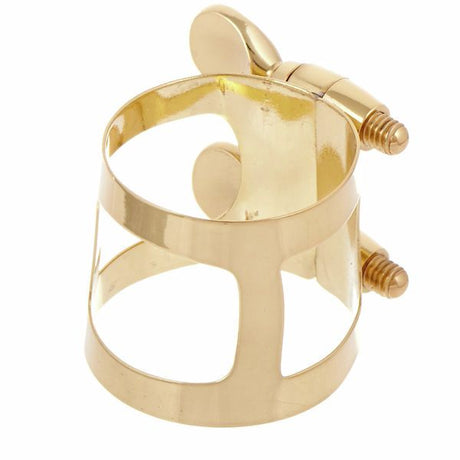
Yamaha AS 62 ligature for alto saxophone
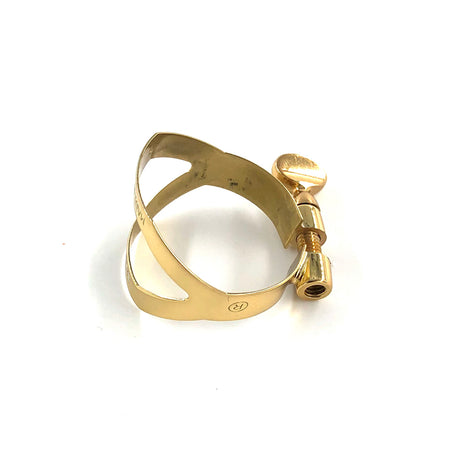
Selmer ligature for alto saxophone
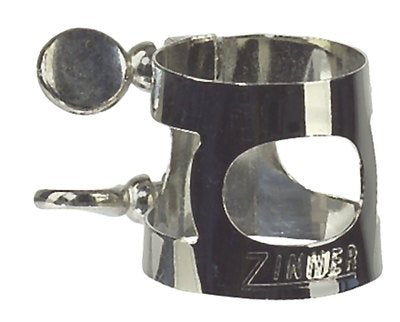
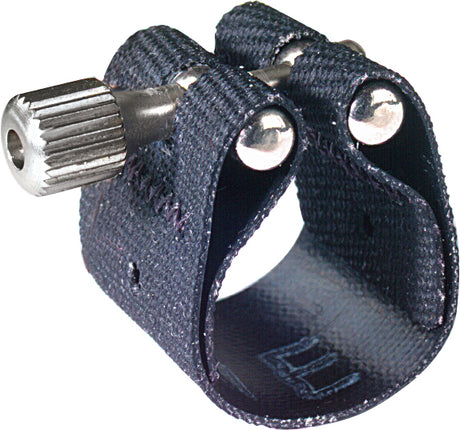
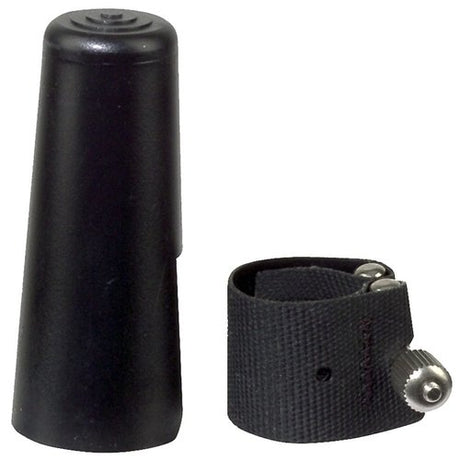
Rovner ligature clarinet Böhm 1R model Dark with reed capsule
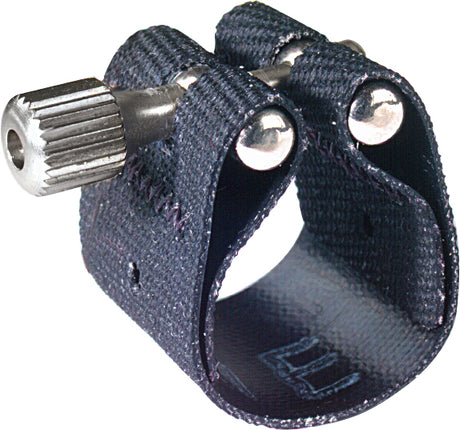
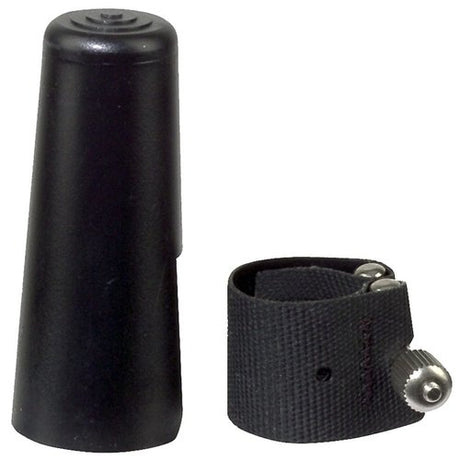
Rovner ligature clarinet German 1E model Dark with reed capsule