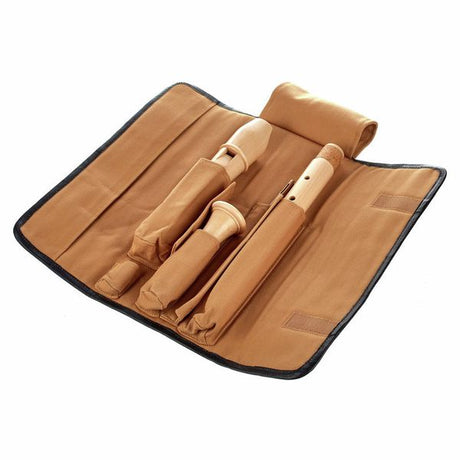
Looking for the right recorder, you quickly face a whole family: soprano, alto, tenor and bass, plus the small sopranino and garklein. The recorder sizes are not just a matter of length, but of a distinct pitch, range and finger stretch for each instrument.
This guide sorts the family in order: which key each size is in, how high or low it sounds, how hard it is to start on, and which size suits which purpose.
01The recorder family at a glance
Recorders are arranged like choir voices: soprano, alto, tenor and bass. Each size sounds an octave higher than the human voice of the same name. Two pitches occur: instruments in C (soprano, tenor) and instruments in F (alto, bass). The lowest note reveals the pitch.
The larger the recorder, the deeper and fuller the sound, and the wider the finger stretch. For the small sizes it is the opposite: bright, short, but tightly spaced. For beginners the soprano is therefore the standard choice.
| Size | Pitch | Range | Typical use |
|---|---|---|---|
| Sopranino | F | very high | ensemble, solo effects |
| Soprano / Descant | C | bright, high | beginners, school start |
| Alto / Treble | F | deeper, fuller | solo and baroque repertoire |
| Tenor | C | like soprano, one octave lower | ensemble, advanced |
| Bass | F | deep, carrying | ensemble foundation |
02Soprano and descant: the standard start
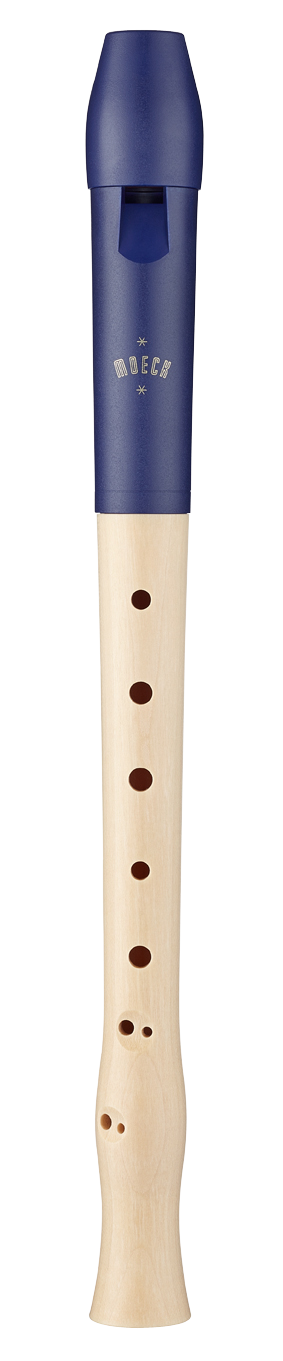
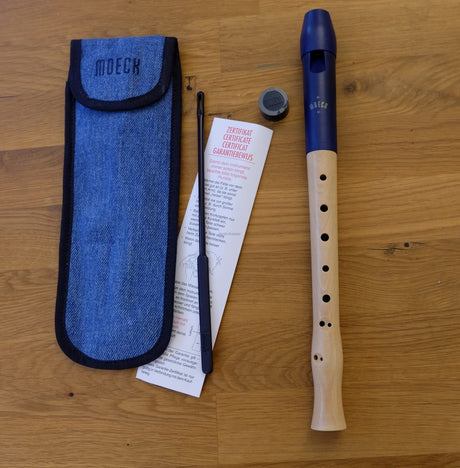
The soprano recorder is in C and is the brightest, most common size. It is small, light and with a short finger stretch suits children's hands well, which is why it is the classic school-start instrument. Anyone beginning the recorder almost always starts here.
When buying, there are two fingering systems: German fingering (easier for a first start at school) and baroque fingering (the international standard, better for continuing later). Affordable school models in plastic or wood are perfectly sufficient to begin with.


03Alto and treble: the step for advanced players
The alto recorder is in F and sounds deeper and fuller than the soprano. It is the most important solo instrument of the family: a large part of the baroque repertoire is written for the alto. Once past the beginner stage, players typically move to the alto next.
Because the alto is in F and larger, the fingerings change compared with the soprano and the hand has to stretch a little wider. That is the real learning step, but it is worth it for the available repertoire.


04Tenor and bass: the low voices
The tenor recorder is in C like the soprano and is fingered the same way, but sounds an octave lower, making it warm and rounder. The catch: it is considerably longer and the finger stretch is wide. Models with a key for the lowest note ease this for smaller hands.
The bass recorder is in F and provides the deep foundation in the ensemble. Tenor and bass are rarely beginner instruments; they come into play when people play as a quartet (SATB: soprano, alto, tenor, bass).

05Which size when: the learning order
For getting started, the path runs through the soprano: small, affordable, quick results, ideal for the school start. The next sensible step is the alto, because that is where the solo and baroque repertoire opens up.
Tenor and bass usually follow only once people play in an ensemble, as a complete recorder quartet covers the four choir voices with SATB. Sopranino and garklein are special cases for very high voices and not a beginner topic. The full range is in our Blockflöten.
Recorder sizes follow a clear logic: soprano to start, alto for the solo repertoire, tenor and bass for the ensemble. Keeping pitch (C or F) and finger stretch in mind, you will quickly find the right size.
Frequently asked questions
Which recorder is right for beginners?
What is the difference between soprano and alto?
Why does the tenor sound lower than the soprano if both are in C?
What does SATB mean for recorders?
German or baroque fingering?
Find the right recorder
From the soprano for the school start to the tenor for the ensemble: the whole family in one overview.
See all recordersSoprano for getting startedPassende Produkte
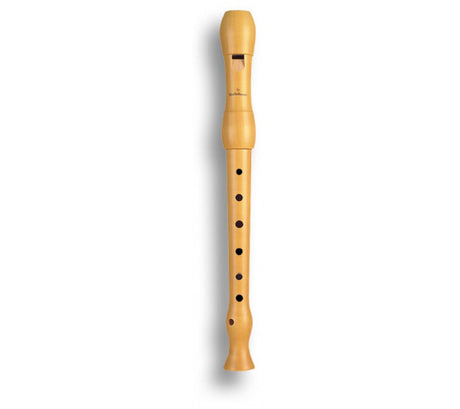

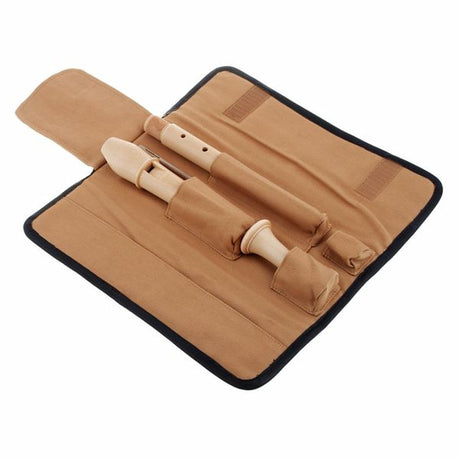
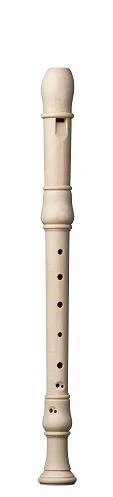
Küng Studio 1402 Alto Recorder – maple, baroque fingering with wide bore (442 Hz, matte-lacquered)