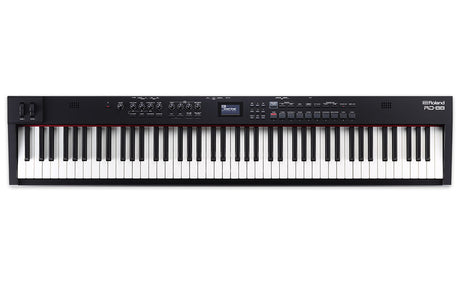
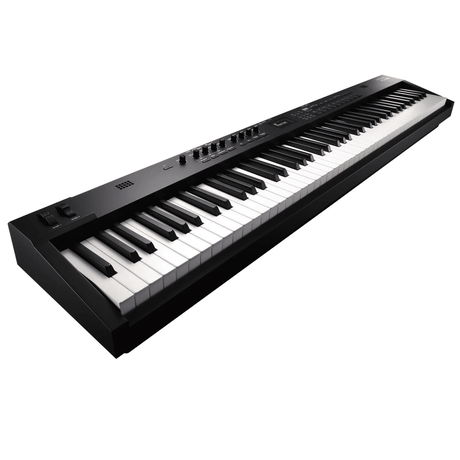
A premium stage piano has to do two things at once: convince on stage and deliver in the studio. Yet instruments in this class set different priorities. One is the uncompromising piano purist with a solid wood keybed, the other the versatile all-rounder with hundreds of sounds and low weight.
In this buying guide we compare three contenders: the Kawai MP-11SE, the Roland RD-88 EX and the Roland RD-2000 EX. Together they show the full range of the premium class and help you find the right instrument for your needs.

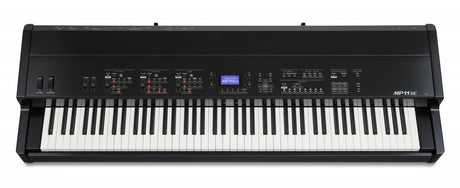
Kawai MP-11SE
Ideal for: Pianists who put feel above everything and mainly play acoustic piano sounds.
See all Stage Pianos →Roland RD-88 EX and RD-2000 EX
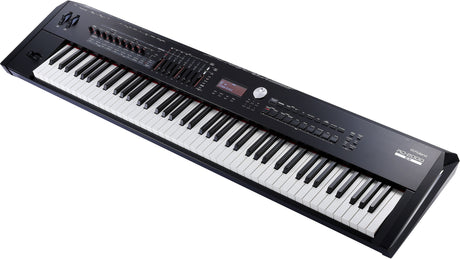
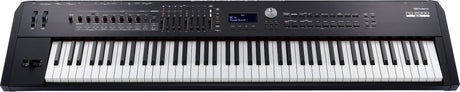
Ideal for: Keyboardists and band players who need many sounds, low weight and versatility.
See all Stage Pianos →01The keybed decides the playing feel
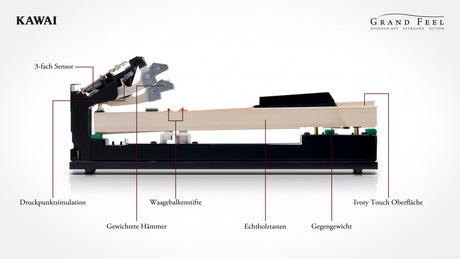
The biggest difference between these instruments lies in the keybed. The Kawai Stage Piano MP 11-SE relies on the Grand Feel action with real wooden keys of full length and a long pivot point, just like an acoustic grand. The result is a playing feel widely regarded as a reference for authentic touch in the stage piano class.
The Roland RD 2000 EX Stage Piano mit 88 Tasten uses the PHA-50 keybed, a hybrid construction of wood and plastic with escapement and an ivory feel. It plays precisely and is much easier to transport. The Roland Stage Piano RD-88 EX uses a more compact weighted keybed and is the most mobile contender in this comparison.


02Sound variety: a single piano or a whole studio
When it comes to sound, the philosophies clearly diverge. The Kawai MP-11SE focuses on the essentials: three carefully sampled concert grands plus electric pianos and a few accompaniment sounds. For players who mainly play piano, there is depth here rather than breadth.
The Roland models take the opposite route. The RD-2000 EX combines two sound engines and offers hundreds of sounds, from grand piano to organs, synths and strings, with extensive split and layer functions for live use. The RD-88 EX brings much of that variety into a lighter and more affordable body. As a reference point for this all-rounder direction, Nord is often mentioned in the scene, though we do not carry it.
| Model | Keybed | Sound focus | Weight | Ideal for |
|---|---|---|---|---|
| Kawai MP-11SE | Grand Feel, solid wood | piano purist, few sounds | heavy (approx. 33 kg) | pianists |
| Roland RD-2000 EX | PHA-50 hybrid | very versatile, two engines | medium (approx. 21 kg) | pro all-rounders |
| Roland RD-88 EX | weighted, compact | versatile, light | light (approx. 13 kg) | mobile band players |
03Weight and mobility on the road
For anyone who regularly travels to gigs, weight is a real deciding factor. The Kawai MP-11SE weighs around 33 kilograms because of its solid wood action and is clearly built for a fixed studio or stage spot. The Roland RD-2000 EX comes in at about 21 kilograms, the RD-88 EX at around 13 kilograms and can be moved easily on your own.
The rule of thumb: the more authentic the piano feel, the heavier the instrument. If you are looking for the compromise between touch and transport, the RD-2000 EX is the answer. The Stage Pianos category gives an overview of all models.
Choosing the right premium stage piano comes down to what you play it for. If you are primarily a pianist and feel matters above all, there is hardly a way around the Kawai MP-11SE. If you need versatility, many sounds and a portable instrument, the Roland RD-2000 EX and RD-88 EX are the better companions.
Frequently asked questions
What sets a premium stage piano apart from an entry-level one?
Kawai MP-11SE or Roland RD-2000 EX: which is better?
Which premium stage piano suits band players?
Do I need extra accessories for a stage piano?
Find your premium stage piano
Compare the current Kawai and Roland models and find the instrument that fits your playing.
View all stage pianosDiscover the Kawai MP-11SEPassende Produkte