

A Silent piano, a TransAcoustic piano and a digital piano can all support quieter practice, but they work in different ways. A Silent system keeps the strings and acoustic action; TransAcoustic also uses the soundboard to make electronic signals audible; a digital piano has no piano strings. The choice is therefore about more than volume: consider the playing feel and the ways you want to hear the instrument at home.
01What does Silent mean on a piano?
A Silent piano is an acoustic instrument with an additional playing mode. In Silent mode, a stop mechanism prevents the hammers from striking the strings. Sensors detect the performance and trigger a digital sound heard through headphones. In normal mode, the strings sound as they do on an acoustic piano. The exact equipment varies by model and manufacturer.
Yamaha calls its system SC3 and lists it on selected versions of the current B Series. The design therefore combines real strings and an acoustic action with electronic headphone practice. Check the specific instrument to see which system is installed and which functions it includes. A system name alone does not establish which versions are offered for a particular model.
02Silent system: acoustic action with a headphone option
The main reason to choose a Silent model is to keep the acoustic action while adding headphone practice. That can suit someone who wants the normal piano sound during the day and a quieter option at other times. The sound in the headphones is generated electronically; it is not the direct sound of the acoustic strings.
The Yamaha B30 with SC3 Silent system is one current example. Yamaha lists the B30 at 121 cm high, and the shop product page identifies its SC3 version. A Silent system is a particular configuration, not a promise that it can be fitted later to every piano. Kawai also explains that installation and retrofit options depend on the system and market.
03TransAcoustic: strings plus soundboard projection
With TransAcoustic, the strings remain in the instrument. The system also uses the soundboard to make electronic signals audible. The piano itself projects the sound, and its volume can be controlled. This differs from Silent mode, where the hammers are stopped before the strings and the digital sound is sent to headphones.
Yamaha calls its TransAcoustic system TC3 and lists B10, B20 and B30 versions in the current B Series. The exact combination of model and equipment matters: a system family does not prove that every version is locally offered. If you mainly want to play more quietly in the room, compare this approach with a headphone-based Silent model and decide how you expect to use it.
04Digital and hybrid: sound without piano strings
A digital piano generates sound electronically and has no acoustic piano strings. Depending on the model, it can offer headphones and adjustable volume. This type may suit you if you mainly play quietly, need flexible placement or do not want an acoustic piano’s tuning and care requirements. Its keyboard action and cabinet differ from an acoustic instrument, so compare the actual playing feel rather than relying on the word “digital”.
If keeping strings and an acoustic action matters, compare Silent and TransAcoustic. If those features are not essential, include a digital piano in the selection. The key distinction is clear: Silent interrupts the string sound in headphone mode, TransAcoustic projects sound through the soundboard, and a digital piano generates its tone electronically.
A hybrid piano such as the Kawai NV6 combines an acoustic piano action with digital sound generation. It has no piano strings; sensors capture your playing. This differs from Silent and TransAcoustic instruments, which retain a complete acoustic piano with strings. If you want this type of action without strings, compare hybrid models separately.
05Which option fits your routine?
Choose Silent if the acoustic piano action matters and you also want to play through headphones. TransAcoustic may suit you if you want the strings to remain in the instrument while its sound is projected into the room at a controlled volume. A digital piano may be right if electronic sound generation and flexible volume are your main priorities.
Before buying, confirm the exact model version and system name. For a Silent or TransAcoustic model, check the modes included; the name alone does not mean the system can be added later. The Yamaha B30 SC3 and Kawai K-200 ATX4 are current examples. Compare them with digital pianos if a fully electronic instrument is also an option for you.
First decide whether you want to keep the strings and acoustic action. That makes it easier to choose between Silent, TransAcoustic and digital piano for your routine.
Frequently asked questions
Can a Silent system be added to any acoustic piano?
What is the difference between Silent and TransAcoustic?
Does a Silent piano still have strings?
When might a digital piano be the better choice?
Compare pianos for quieter practice
Explore current Silent models and compare them with digital pianos if useful. Check the exact system equipment before choosing.
View Yamaha B30 SC3View Kawai K-200 ATX4Compare digital pianosPassende Produkte


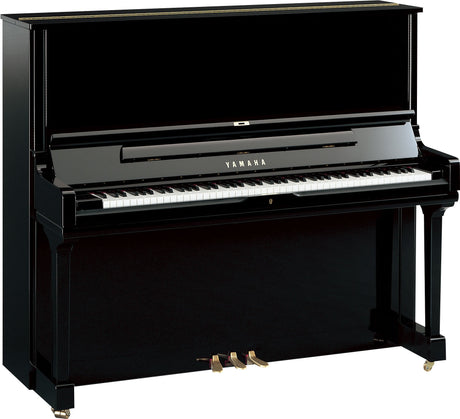


Yamaha YUS-3 Upright Piano in Polished Ebony with TA3 Transacoustic System