

Keyboards, synthesizers, stage pianos and digital pianos share keys, but they serve different purposes. The terms overlap in everyday use, and individual models can combine several functions. The label alone is not enough: do you want to play piano, use automatic backing, shape sounds yourself or carry a compact instrument? This guide adds the often-missing distinction between keyboard and synthesizer, then helps you find a suitable product group.
01Four terms, four common priorities
A keyboard often offers several sounds and may include rhythms, automatic accompaniment or learning functions, depending on the model. A synthesizer is mainly used to create and shape electronic sounds. Yamaha describes synthesis as electronic sound generation and explains tools such as filters and modulation. A stage piano focuses on piano playing in a portable instrument. A digital piano also centres on piano playing, but is often designed for a more permanent home setup. These descriptions indicate common priorities rather than fixed boundaries: manufacturers combine functions in different ways.
02Keyboard and synthesizer: the practical difference
Ask whether you want ready-made sounds and accompaniment or want to shape how a sound develops. On a keyboard with automatic accompaniment, you often select a style and play chords or a melody with it. A synthesizer may provide controls and parameters for changing the sound. That can suit sound design and electronic music. Some keyboards also let you edit sounds, while some synthesizers offer performance features. Read the specifications for the individual instrument instead of generalising from its category. Yamaha notes that keyboard features vary by model; also check the actual controls and connections available.
03Choose a stage piano or digital piano by setup
When piano sound and weighted keys matter most, compare stage and digital pianos. A stage piano is designed for flexible placement and use in different playing environments. A digital piano with a furniture-style cabinet is more likely to stay in one place. The shape alone does not determine the key action or sound: compare the maker’s details for the key mechanism, sounds, speakers, connections and pedals. The Yamaha P-225 has 88 keys and is listed as a portable digital piano; the DGX-670 combines 88 keys with extensive accompaniment. These examples illustrate different priorities, not a quality ranking.
04Make a quick choice around your plans
Start with your main use. For piano pieces and a simpler setup, look at a stage piano. For a fixed home position and a piano-focused instrument, consider digital pianos. If rhythms, automatic accompaniment and many selectable sounds matter, compare keyboards. If you want to build or adjust electronic sounds, look at synthesizers and their sound parameters. Then list at least three must-haves: key count and touch, accompaniment or sound editing, portability and connections. A particular model may cover more than one role; choose the functions you will actually use.
Your musical goal is the most useful guide. Piano playing, accompaniment, sound design and portability point to different priorities; check the features of each specific model before deciding.
Frequently asked questions
Can a keyboard also be a synthesizer?
How does a stage piano differ from a digital piano?
Do I need 88 keys?
Are these categories clearly separated?
Compare keyboard instruments by playing goal
Explore the relevant product groups and match their features to your must-haves.
Browse keyboardsBrowse stage pianosBrowse keyboardsPassende Produkte


Yamaha P-225 Stage Piano 88 keys – 50 € Cashback


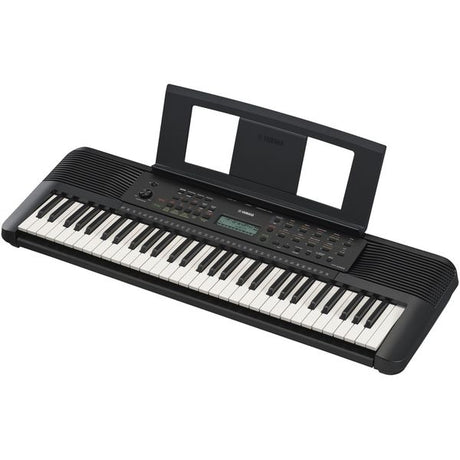
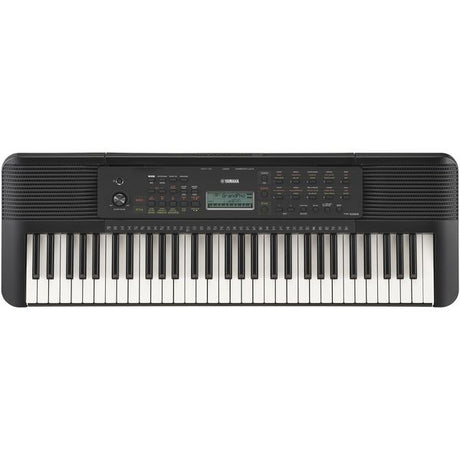
Yamaha PSR-E283 Keyboard – 61 keys, 410 voices, 150 styles with One Touch Settings

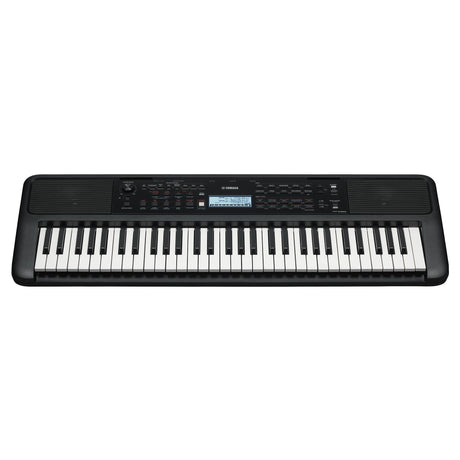
Yamaha PSR-E383 Keyboard – 61 keys, 650 voices, 260 accompaniment styles


Casio CT-S1 Keyboard – 61 keys, AiX sound source with 61 voices, 24 reverb types