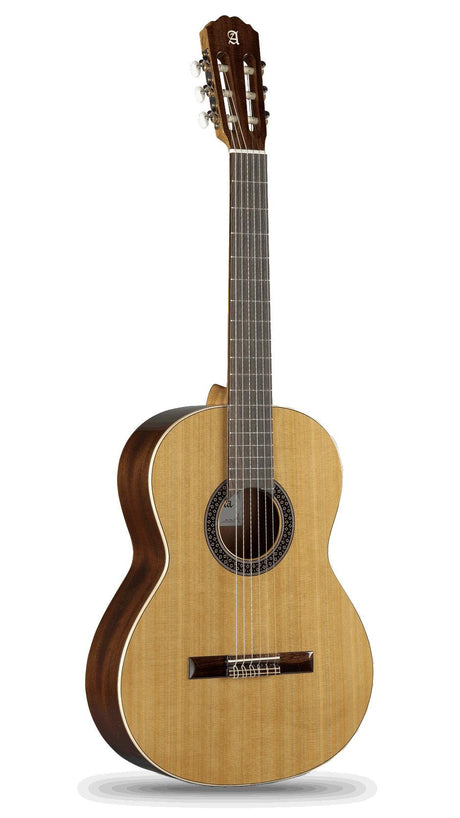
Steel-string acoustic or classical guitar? They differ in their strings, typical sound and often neck dimensions. Neck width and feel vary by model. Choose for the music you want to play and check how the specific guitar feels in your hands.
| Feature | Steel-string acoustic | Classical guitar |
|---|---|---|
| Strings | Steel | Nylon trebles; basses usually metal-wound |
| Typical sound | Steel strings often sound brighter | Nylon often sounds softer and rounder |
| Neck | Width and profile vary by model | Width and profile vary by model |
| Common styles | Pop, folk, accompaniment | Classical, flamenco and other styles |
The result also depends on the specific model and playing style.

Steel strings; sound and neck vary by model
Often chosen for: pop, folk and accompaniment
See steel-string acoustics →
Nylon strings; sound and neck vary by model
Often chosen for: classical, flamenco and other styles
See classical guitars →01The difference: strings, neck, sound
Steel-string acoustics use steel strings; classical guitars have nylon trebles and usually metal-wound nylon-core basses. The materials create different sounds and playing feel. Tension and fretting feel also depend on the set, scale length and action.
Neck width and profile vary by model. Classical guitars are often wider at the nut than many steel-string acoustics, but there are exceptions. Check the dimensions and comfort of the individual instrument.
Steel-string acoustics are often chosen for pop, folk and accompaniment; classical guitars suit classical repertoire and flamenco. Both can be used for other styles. Choose based on your music and how the specific guitar feels to hold and play.
02Steel-string acoustics for beginners
The product cards below show examples of steel-string acoustics. If body size or neck feel matters to you, check the specifications for each model.
See more options in the steel-string acoustic guitar collection.


03Classical guitars for beginners
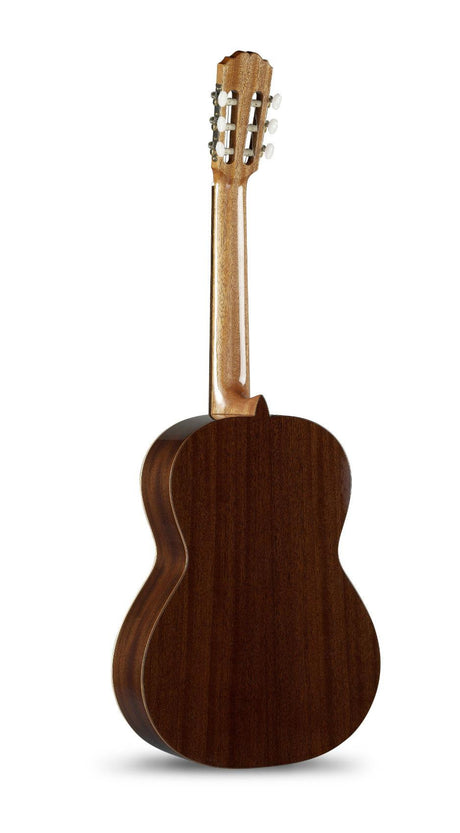
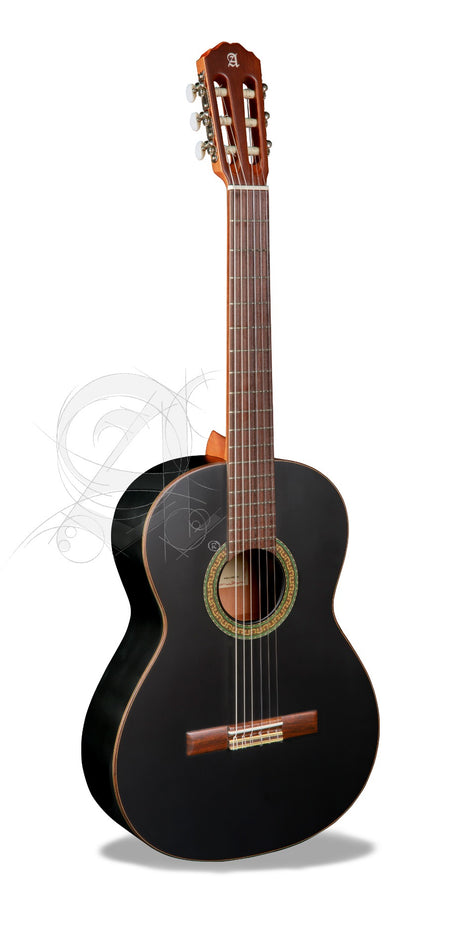
Classical guitars use nylon trebles and usually metal-wound nylon-core basses. They are a natural comparison if you play classical repertoire; the right fit depends on the individual model.
The classical guitars shown here are 4/4 size. Shorter scale lengths are also available for children; check the instrument size and a relaxed playing posture.


04 Compare the guitars in playing position
String material, neck width, action and scale length all affect feel and vary by model.
Try the chords you expect to play often. A relaxed posture and reachable frets can help you judge which guitar and size suit you.
Choose for your repertoire and the specific instrument: steel and nylon strings feel different, while neck dimensions and action vary by model.
Frequently asked questions
What is the difference between a steel-string and classical guitar?
Which guitar should a beginner choose?
Is a classical guitar always easier to play?
Which guitar is suitable for a child?
Find a guitar for your music
Compare the steel-string and classical guitars shown here, including their strings, dimensions and specifications.
View steel-string acoustics View classical guitarsPassende Produkte


Yamaha F310 acoustic guitar natural – Dreadnought body, spruce top, meranti back and sides


Yamaha F400 acoustic guitar natural satin – 30 € Cashback


Yamaha F400 acoustic guitar smoky black – 30 € Cashback


Yamaha C40 classical guitar 4/4 – spruce top, meranti back/sides, rosewood fretboard