

When you look for new strings for your classical guitar, two questions shape the sound more than the brand on the packet: what material are the treble strings, and which tension suits my guitar and my hand. Traditional nylon sounds warm and feels soft under the fingers, while modern carbon trebles are brighter and project further. With tension, more is not automatically better.
This guide sorts the main classical guitar strings by treble material and tension and says which combination suits whom. It is deliberately not about nylon versus steel, that is which guitar takes which string, but about the choice within the nylon family for the classical guitar.

The warm classic
Ideal for: Beginners and anyone after a round, traditional tone and a soft playing feel.
See all Konzertgitarren - Saiten →Bright and assertive
Ideal for: Advanced players and soloists who want more projection, precision and a clear overtone picture.
See all Konzertgitarren - Saiten →01Treble material: nylon or carbon
The three treble strings of a classical guitar, the g, b and e, are traditionally made of clear nylon. Nylon produces a warm, round tone with long sustain and feels soft under the fingers. This is the traditional classical guitar sound and the right choice for most beginners.
Carbon strings, more precisely fluorocarbon, are the modern alternative. For the same pitch they are thinner than nylon, which makes them brighter, louder and more precise and gives them more projection in larger rooms. Sets such as the Savarez Alliance use this fluorocarbon treble. On some guitars carbon can sound too bright or too hard, so it pays to try it. The bass strings are similar in both cases: a nylon core wound with silver-plated copper wire.


02Tension: normal, medium or high
Tension describes the force with which a string pulls on the guitar at pitch. It changes volume, playing feel and tonal character and is usually marked normal, medium or high tension on the packet.
Higher tension means more volume and projection, a firmer, tighter feel and more pull on the top. But it also asks more from the fretting hand and can tire you over long practice sessions. Lower tension is easier and softer to play, sounds clear and defined and is more comfortable for beginners, children or sensitive hands. Normal or medium tension is the best-selling choice because it balances tone, comfort and projection well.

03Tension to suit the guitar, not just high
The key point: higher tension is not automatically better. The ideal tension depends on the guitar and the player. Lightly built instruments and older guitars often do not cope well with the higher pull of high tension and can then sound choked or hard. Robust classical guitars with a strong top, on the other hand, benefit from the extra projection.
As a guide: beginners and players with lighter hands are most comfortable with normal or medium tension nylon. Anyone after more volume, precision and a modern sound who owns a sturdy guitar will reach for carbon in high tension. When in doubt, start one tension step lower and work up, a set of strings is quick and cheap to swap.
04The brands at a glance
Every brand has its own character. Savarez covers classic nylon with the Traditional range and the bright carbon sound with the Alliance range and is one of the most played classical guitar brands. Hannabach stands for balanced, durable sets with precise build quality, the 815 Silver Special series is a reference for many classical players. D Addario offers a broad, reliable range from the EJ27N for students to coated sets. Augustine is known for its warm, traditional American tone, and La Bella scores with fine, supple nylon sets.
You will find all three treble and tension paths in the Konzertgitarren - Saiten category, alongside our Westerngitarren - Saiten and the full range under Gitarren - Saiten.
| Variant | Sound | Feel | For whom |
|---|---|---|---|
| Nylon, normal / medium | warm, round, traditional | soft, easy to play | beginners, classic tone, lighter hands |
| Nylon, high tension | warm, with more volume | firmer, more pull | advanced players with a sturdy guitar |
| Carbon, medium / high | bright, loud, precise | tight, defined | soloists, projection, modern sound |
The right classical guitar strings come down to two decisions: warm nylon or bright carbon in the trebles, and a tension that suits your guitar and your fretting hand. Beginners are well served by normal nylon, advanced players with a sturdy guitar gain projection with carbon and higher tension. Try two sets, the difference is audible and the swap is cheap.
Frequently asked questions
What is the difference between nylon and carbon strings?
Which tension should I choose as a beginner?
Is high tension always better because it is louder?
How often should I change the strings?
Can I just play carbon instead of nylon on my classical guitar?
Find the right set
From warm student nylon to bright carbon sets: browse our classical guitar strings and choose material and tension to match your playing.
View classical guitar stringsDiscover Savarez Alliance carbonPassende Produkte
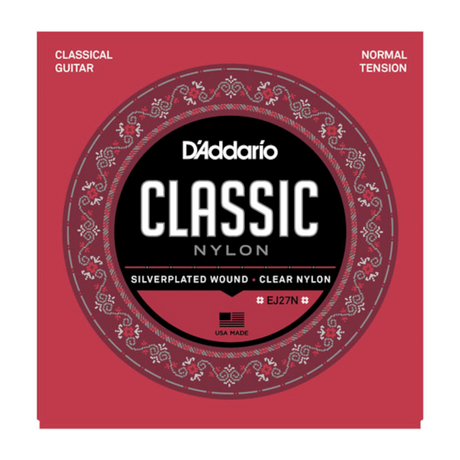
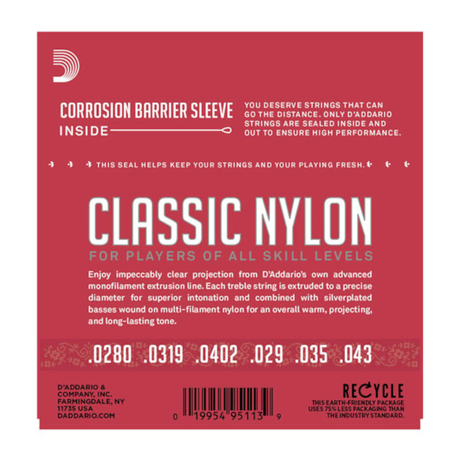
D‘Addario Classic Nylon EJ27N Student Strings for Classical Guitar, Nylon, Normal Tension

Savarez Classical Guitar Strings Alliance Corum - High Tension

Hannabach Classical Guitar Strings Series 815 Medium Tension Silver Special